Maximizing Comfort: How to Choose the Right HVAC System for Your Home Feb 22, 2026
When searching for the perfect HVAC system, understanding your home’s specific requirements is paramount. Begin by evaluating the size of your space. A system that’s too small will struggle to heat or cool your home, while one that’s too large will cycle on and off too frequently, wasting energy and increasing wear and tear. The key is to find a system that matches your home’s square footage and layout, ensuring optimal performance.
Energy efficiency is another crucial factor. Systems with high-efficiency ratings, such as those with Energy Star certification, can significantly reduce your utility bills. Check the SEER (Seasonal Energy Efficiency Ratio) rating for air conditioners or the AFUE (Annual Fuel Utilization Efficiency) for furnaces. The higher these numbers, the more efficient the system, leading to potential savings in energy costs over time.
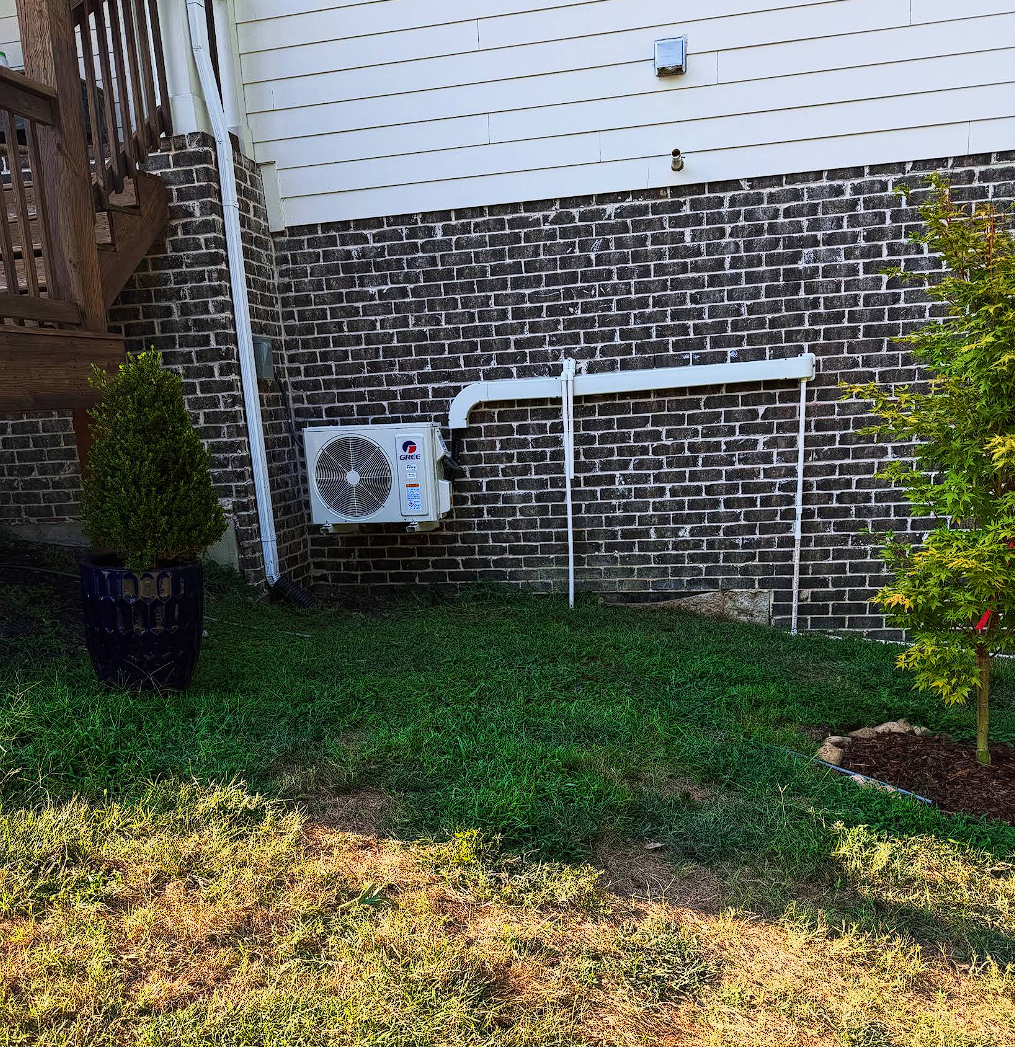
Another important consideration is the type of HVAC system that suits your climate and lifestyle. There are several options, including central air systems, ductless mini-splits, heat pumps, and radiant heating systems. Central air systems distribute air through a network of ducts, ideal for homes where ductwork is pre-installed. Ductless mini-splits offer flexibility and are great for homes where duct installation is impractical. Heat pumps are excellent in moderate climates, providing both heating and cooling functions. Radiant heating, meanwhile, is effective and energy-efficient in colder regions.
Don’t overlook the importance of smart controls and supplementary features, which can greatly enhance your system’s efficiency and ease of use. Modern thermostats offer programmable settings and remote access, allowing you to control your HVAC system from anywhere via a smartphone app. Some systems even allow integration with smart home devices for added convenience.
When investing in a new HVAC system, upfront costs are certainly important, but so are operating costs and potential savings. Research the total cost of ownership, which includes installation, maintenance, and operational expenses. An energy-efficient unit might be more expensive initially but can lead to lower utility bills in the long run. Consider contacting a professional from Ace Hvac and Electric to provide an estimate and insight into potential savings.
Finally, prioritize regular maintenance once your new system is installed. Scheduled check-ups can prevent minor issues from becoming major, expensive problems, ensuring your system runs smoothly for years to come. Routine maintenance also helps maintain efficiency, saving you further on energy bills.
Making the right choice in heating and cooling solutions for your home can feel daunting, but by considering factors such as home size, energy efficiency, system type, and total cost of ownership, you can make an informed decision that enhances your family’s comfort. At Ace Hvac and Electric, we are committed to providing you with expert advice and support, ensuring your HVAC system is a perfect fit for your home. If you have any questions or need professional guidance, our team is always ready to assist you in maximizing comfort and efficiency.
/filters:no_upscale()/filters:format(webp)/media/9570b180-8159-42c6-9ccd-1ae562994146.jpeg)