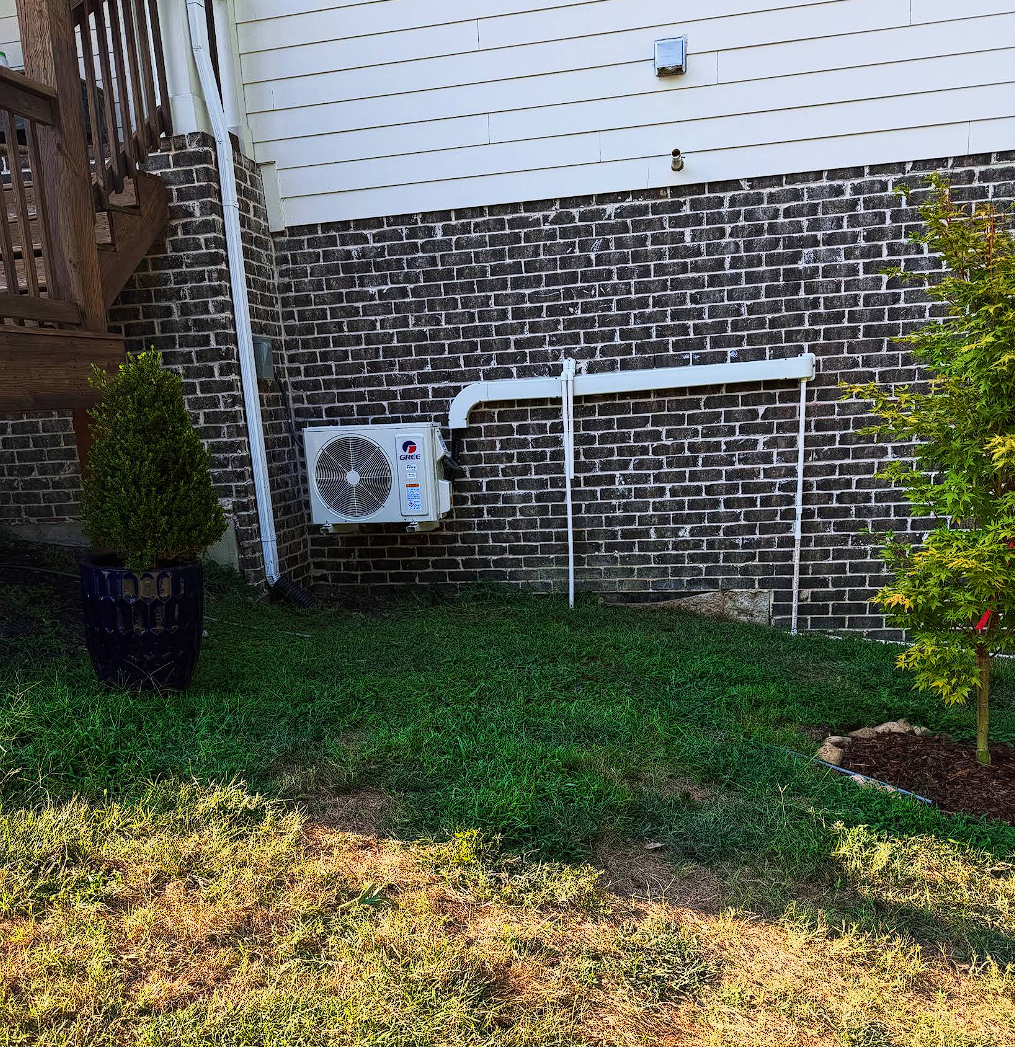
Energy Efficiency Tips for Your HVAC System Dec 05, 2025
Start with Regular Maintenance: The first step to improving HVAC energy efficiency is routine maintenance. Schedule a professional service at least twice a year to inspect, clean, and tune up your system. Regular maintenance can identify potential issues before they become significant problems and ensure that your system operates at peak efficiency. Clean filters allow your HVAC system to run more smoothly and use less energy.
Seal and Insulate Ducts: Leaky ducts can significantly reduce the efficiency of your HVAC system, wasting 20 to 30 percent of the energy used. Seal any visible cracks or leaks in the ductwork with approved sealant. Additionally, ensure your ducts are properly insulated, particularly in unconditioned spaces such as attics or basements. Properly sealed and insulated ducts help maintain optimal air circulation and temperature control.
Upgrade Your Thermostat: A programmable or smart thermostat can enhance energy efficiency by allowing you to control your home’s temperature remotely and automate heating and cooling settings. These advanced thermostats learn your habits and adjust temperatures accordingly, reducing unnecessary energy usage. Set your thermostat to lower temperatures in the winter and higher in the summer when you are not home for significant savings.
Improve Home Insulation: Inadequate home insulation can lead to significant heat loss during winter and heat gain during summer. Improving the insulation in your attic, walls, and floors can aid in maintaining a consistent temperature, making your HVAC system work less strenuously. Proper insulation helps in keeping energy bills down while keeping your home comfortable year-round.
Utilize Fans and Ventilation: Ceiling fans and natural ventilation can complement your HVAC system by redistributing warm or cool air throughout your home. In the summer, set ceiling fans to rotate counterclockwise to create a cooling breeze. In the winter, switch them to clockwise at a low speed to circulate the warm air that rises naturally. By making thoughtful use of fans and ventilation, you reduce the load on your HVAC system.
Invest in Energy Efficient Equipment: If your HVAC system is over a decade old, it might be time to consider upgrading to a more energy-efficient model. Modern HVAC systems are designed to use energy more efficiently while providing the same, if not better, heating and cooling performance. When purchasing new equipment, look for the Energy Star label, which guarantees higher efficiency standards.
Conclusion: Enhancing the energy efficiency of your HVAC system doesn’t require drastic changes. With regular maintenance, improved insulation, a programmable thermostat, and an occasional system upgrade, you can achieve substantial savings. At Ace Hvac and Electric, we’re dedicated to helping you create a comfortable, cost-effective home environment. By employing these tips, you're not only saving money but also contributing to a more sustainable future. Remember, small adjustments can lead to big savings, and we're here to guide you every step of the way.
/filters:no_upscale()/filters:format(webp)/media/9570b180-8159-42c6-9ccd-1ae562994146.jpeg)